What is a Building Management System (BMS)? The Complete Guide
A BMS is the central nervous system of any smart building. This guide explains what it does, how it works, and whether your building needs one.
If you manage a commercial building, chances are you're already running a BMS of some kind, even if it's just a basic thermostat controller or a standalone HVAC unit. This guide covers the basics for understanding BMS systems: what a BMS actually does, its core components (including BMS I/O), how implementation projects get delivered, and the capabilities that separate a basic system from a genuinely intelligent one.
What Does a BMS Actually Do?
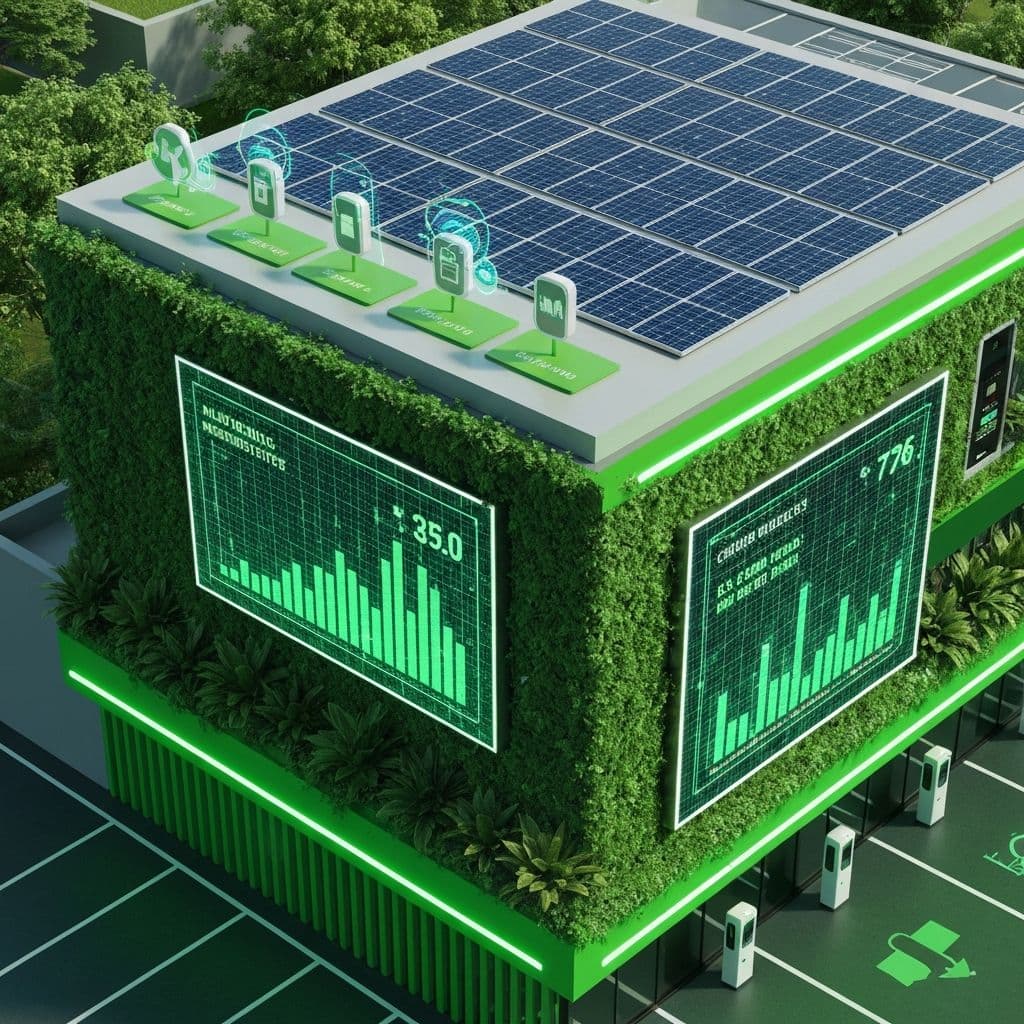
A BMS integrates and controls the core systems of a building: HVAC (heating, ventilation, and air conditioning), lighting, power and electrical distribution, fire and life safety, access control and security, and environmental monitoring (air quality, temperature, humidity). Instead of each system operating independently with its own software and control panel, a BMS creates a unified layer where all systems can be monitored and controlled from one dashboard, and where one system can respond to signals from another.
Key Components of a Modern BMS
- Sensors and IoT devices: collect real-time data on temperature, CO2, occupancy, energy consumption, and equipment status
- Controllers: process sensor data and send commands to HVAC, lighting, and other systems
- Input/Output (I/O) points: the physical and digital connections, commonly called "BMS I/O", between controllers and field devices like sensors, actuators, dampers, and relays
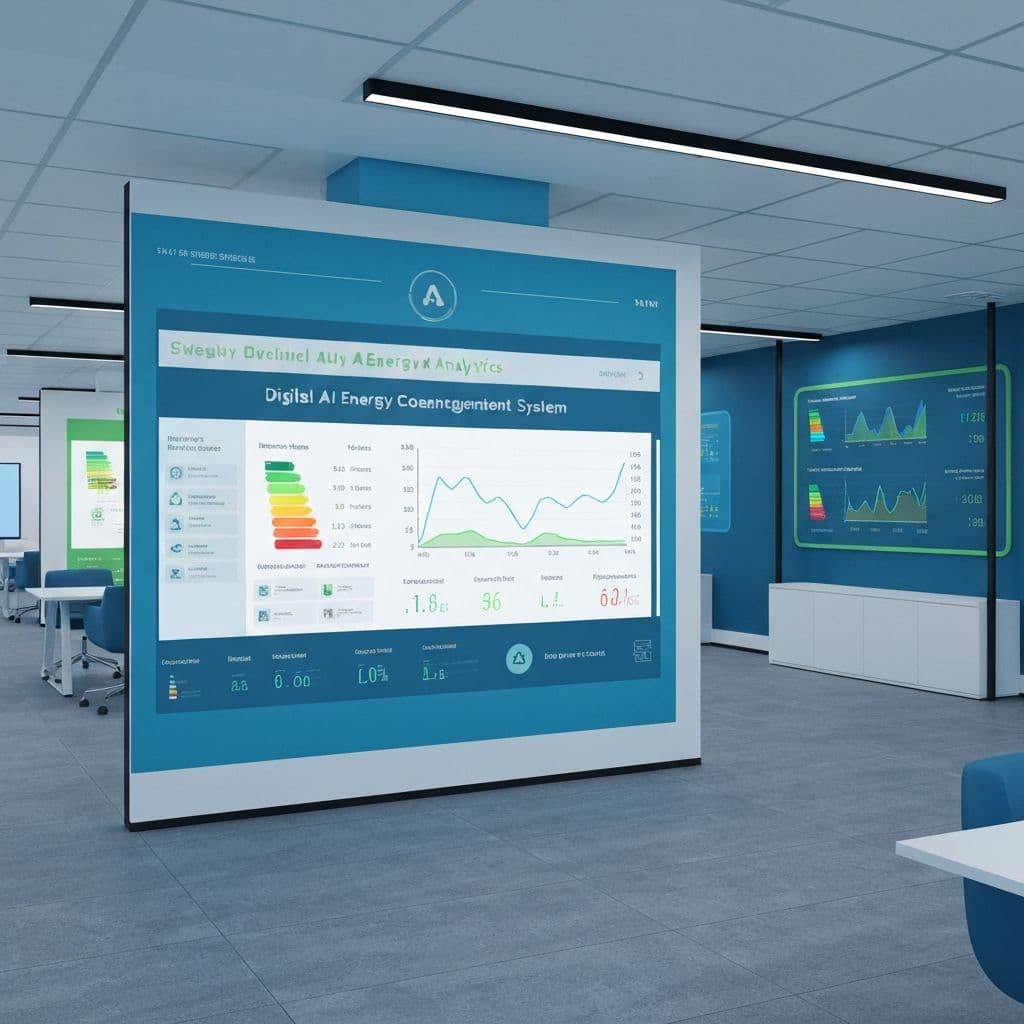
- Central dashboard: the user interface where facility managers view all building data and configure automations
- Communication protocols: BACnet, Modbus, MQTT, and KNX are the most common standards that allow devices from different manufacturers to talk to each other
- Alerting and reporting: real-time alerts for threshold breaches and scheduled reports for compliance and energy tracking
Cloud BMS vs Traditional BMS
Traditional BMS platforms require on-premise servers, proprietary hardware, and specialist engineers to configure and maintain. Cloud-based BMS platforms like Omniloop connect your existing devices via standard protocols and deliver the management interface through a web browser, with no dedicated hardware required. Cloud BMS is faster to deploy, easier to scale across multiple buildings, and significantly cheaper to maintain.
Where BMS Systems Are Used in Buildings
Commercial office towers: HVAC, lighting, and access control across dozens of floors managed from one dashboard
Hospitals and healthcare facilities: continuous air quality, temperature, and power monitoring with built-in redundancy
Hotels: guest room comfort automation tied to occupancy, plus back-of-house energy management
Retail and shopping malls: multi-tenant energy metering and common-area HVAC optimization
University campuses and industrial sites: multi-building portfolios managed from a single cloud platform
How BMS Project Delivery Works
A typical BMS project moves through four phases: a site assessment to map existing equipment and protocols, sensor and gateway deployment (wired or wireless, without ripping out existing hardware), integration and configuration of dashboards and automation rules, and commissioning with a validation period before handover. Cloud BMS platforms compress this timeline from months to weeks because there is no on-premise server to provision, which is a major reason BMS project delivery has gotten faster industry-wide.
BMS Capabilities Beyond the Basics
Beyond basic monitoring and control, modern BMS capabilities include predictive maintenance that flags equipment likely to fail before it does, multi-site portfolio dashboards for organizations managing several buildings, occupancy-driven automation that adapts schedules to real usage instead of fixed timers, and open APIs so a building's I/O data can feed other software. These capabilities are what separate a basic building monitoring system from a genuinely intelligent one.
Do You Need a BMS?
If you manage a building larger than 5,000 sqft, or if you operate multiple buildings, a BMS pays for itself through energy savings alone, typically within 12–18 months. The question isn't whether to implement one; it's which platform to choose. Modern cloud BMS solutions like Omniloop make it faster and more affordable than ever to get the visibility and control your building needs.