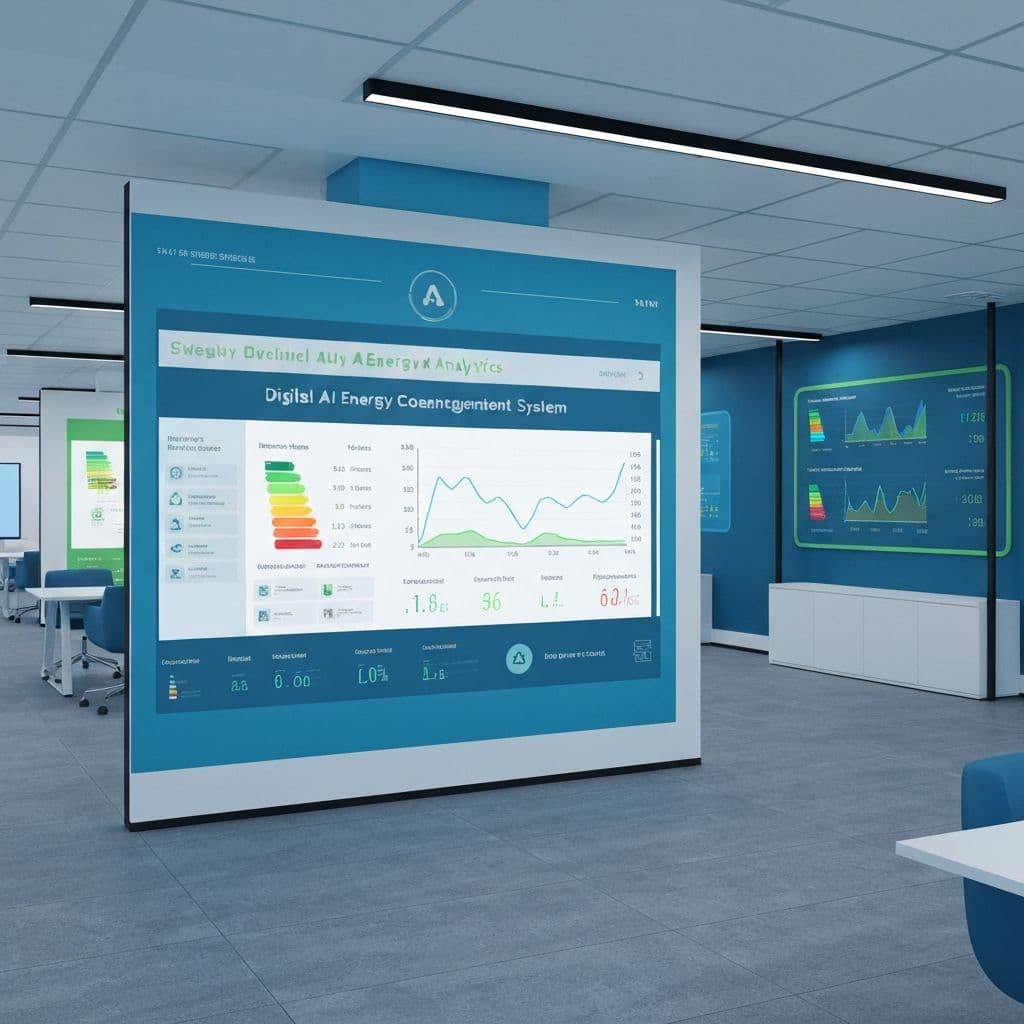
Predictive Maintenance in Smart Buildings: Stop Failures Before They Happen
How IoT sensors and AI analytics are replacing reactive repair cycles with proactive building maintenance that saves money and prevents downtime.
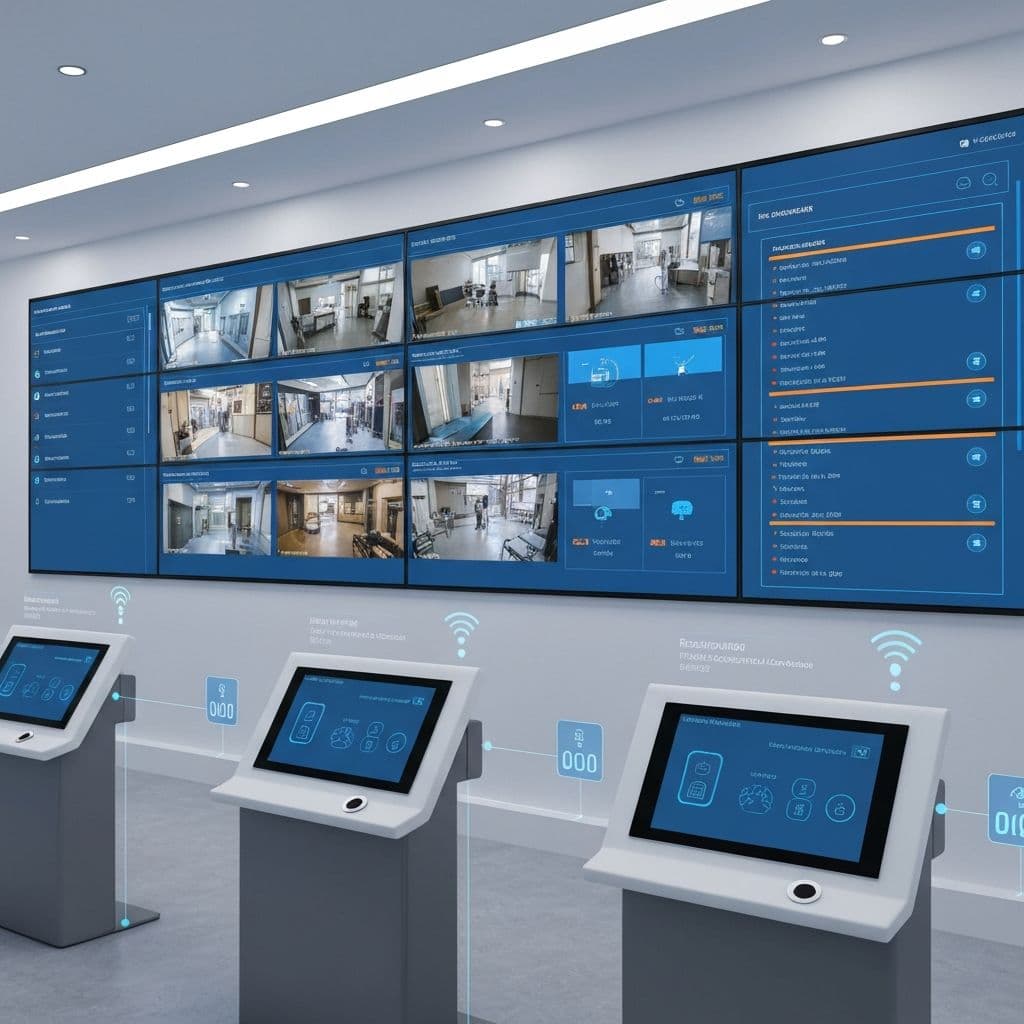
An HVAC compressor failure in a commercial building can cost $15,000–$40,000 in emergency repairs and lost productivity. A water leak left undetected overnight can cause $100,000 in structural damage. Yet both failures are predictable. The vibration patterns, temperature anomalies, and humidity deviations that precede these events show up in sensor data days or weeks before the actual failure. Predictive maintenance turns this signal into action.
How Predictive Maintenance Works
IoT sensors continuously monitor the key operational indicators of building equipment: motor vibration frequencies, bearing temperatures, refrigerant pressures, airflow rates, and electrical current draw. Machine learning models trained on historical failure patterns identify when current readings deviate from normal baselines. When an anomaly is detected, the system triggers a maintenance alert before the failure occurs.
The Business Case: Reactive vs Predictive
- Emergency repairs cost 3–5x more than planned maintenance
- Unplanned HVAC failures in peak summer can affect hundreds of occupants simultaneously
- Water leak detection sensors can prevent hundreds of thousands in structural damage
- Extended equipment lifespan predictive maintenance increases asset life by 20–40%
- Reduced maintenance staff hours alerts are specific, eliminating unnecessary inspection rounds
What to Monitor First
Start with the highest-cost, highest-risk equipment: HVAC compressors and air handling units, water systems and plumbing, electrical distribution panels, and elevator systems. Omniloop's environmental and device monitoring layer provides the data foundation threshold alerts notify facility teams the moment readings drift outside safe operating parameters.
Conclusion
Predictive maintenance is no longer reserved for large industrial operations. Any building with IoT sensors can move from reactive to proactive reducing emergency repair costs, extending equipment lifespan, and eliminating the disruptions that drive tenant and guest dissatisfaction.