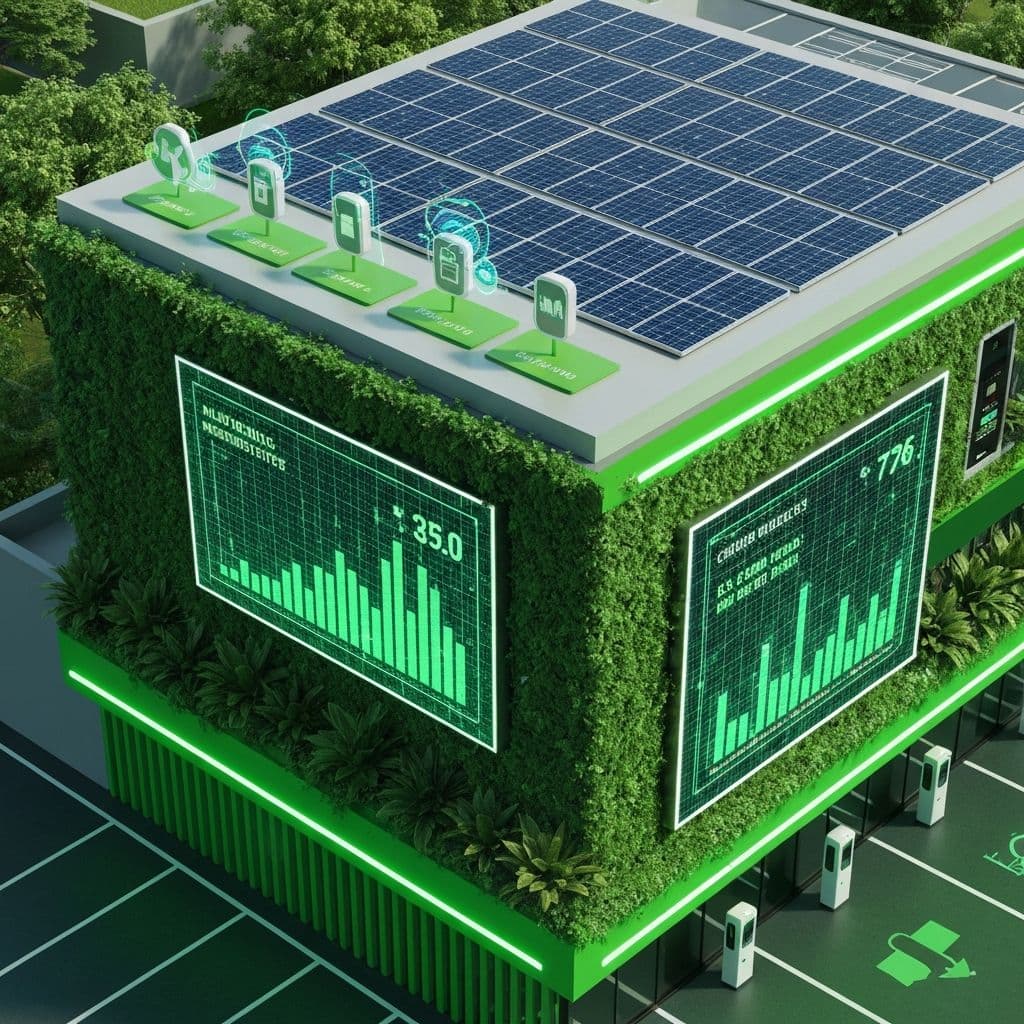
Multi-Vendor IoT Integration: Why It Matters for Modern Building Management
Discover why connecting devices from different manufacturers under one platform unlocks true smart building potential.
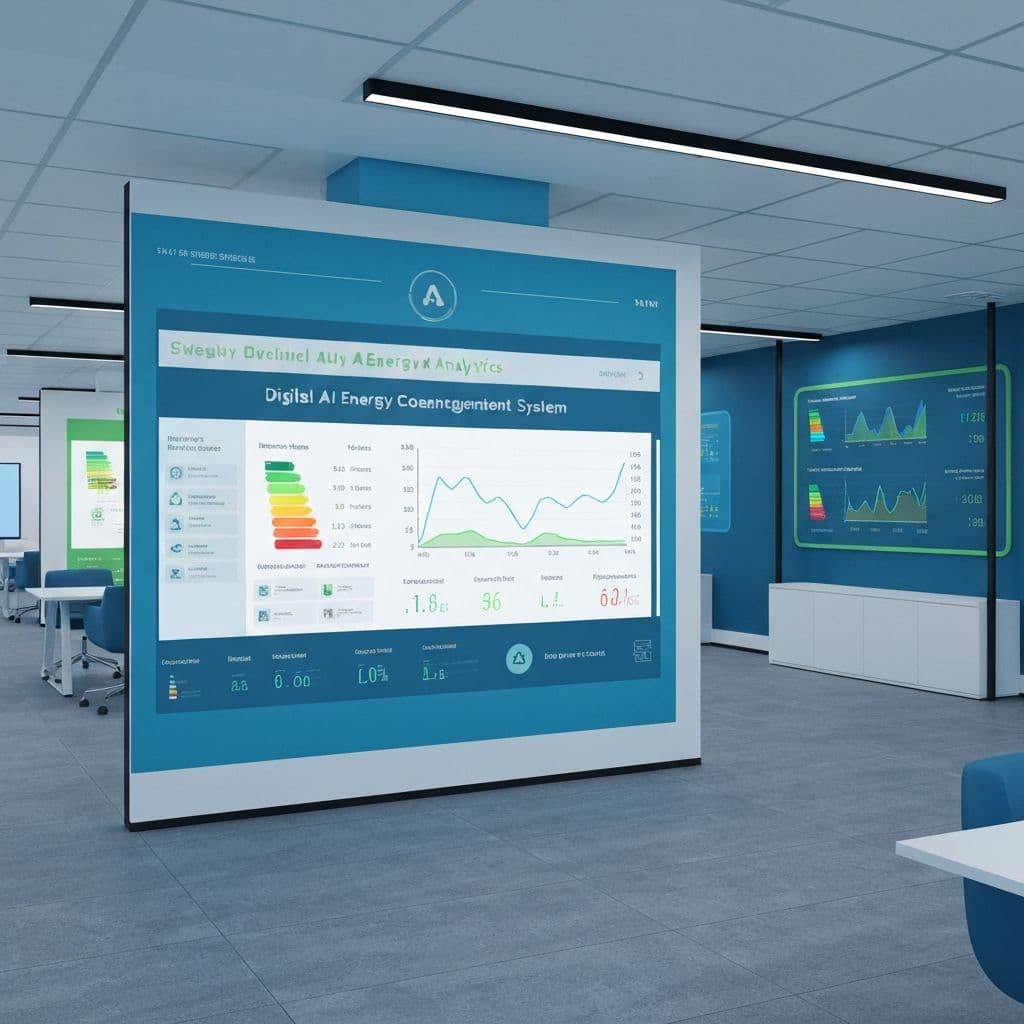
Walk into any modern commercial building and you will find a patchwork of IoT devices: Milesight environmental sensors, Honeywell HVAC units, Bosch access controllers, and Hikvision cameras each with its own software, dashboard, and alert system. Building managers are forced to toggle between disconnected screens, manually correlating data and chasing incidents across platforms. Multi-vendor IoT integration solves this by creating a single source of truth for every connected device in your property.
The Problem with Siloed Vendor Systems
When each vendor operates its own closed software ecosystem, building managers lose the ability to correlate data across systems. A spike in CO2 levels may be directly linked to an HVAC fault but if these systems don't communicate, the root cause goes undetected for hours. Siloed systems also multiply licensing costs, training requirements, and support contracts.
What Multi-Vendor Integration Actually Looks Like
- All devices regardless of manufacturer feed data into one unified dashboard
- Cross-system automations trigger actions across platforms (e.g., HVAC adjusts when occupancy sensors fire)
- Unified alerting means one notification instead of five separate email threads
- Single reporting layer across all building systems for compliance and sustainability
How Omniloop Enables Multi-Vendor Integration
Omniloop uses standard IoT protocols (MQTT, REST APIs, and direct sensor SDKs) to connect devices from any manufacturer into a unified management layer. Onboarding teams handle the initial device mapping so facility managers don't need to understand low-level integration complexity. The result is a single dashboard that controls everything from temperature sensors to surveillance cameras.
Conclusion
Multi-vendor IoT integration is not just a convenience it is a prerequisite for any serious smart building strategy. Buildings that unify their device ecosystem gain real-time visibility, faster incident response, and the data foundation needed for AI-powered optimization.